Start with the museum, then look below the village
Ban Chiang needs a different kind of visit from a ruined temple. The important evidence is in objects, burials and the ground beneath a living village. Start with the national museum rather than expecting a skyline of ancient towers. Its displays give the preserved excavation a context: a pot beside a burial is part of an archaeological record, not simply an attractive design.
For a first visit, make the museum and excavation the main purpose of the outing. The village can add a contemporary layer, but a pottery shop is not the archaeological site and a modern painted vessel is not an excavated object. Keeping those distinctions clear makes the visit more rewarding, particularly if you are travelling with someone who expects a conventional historical park.
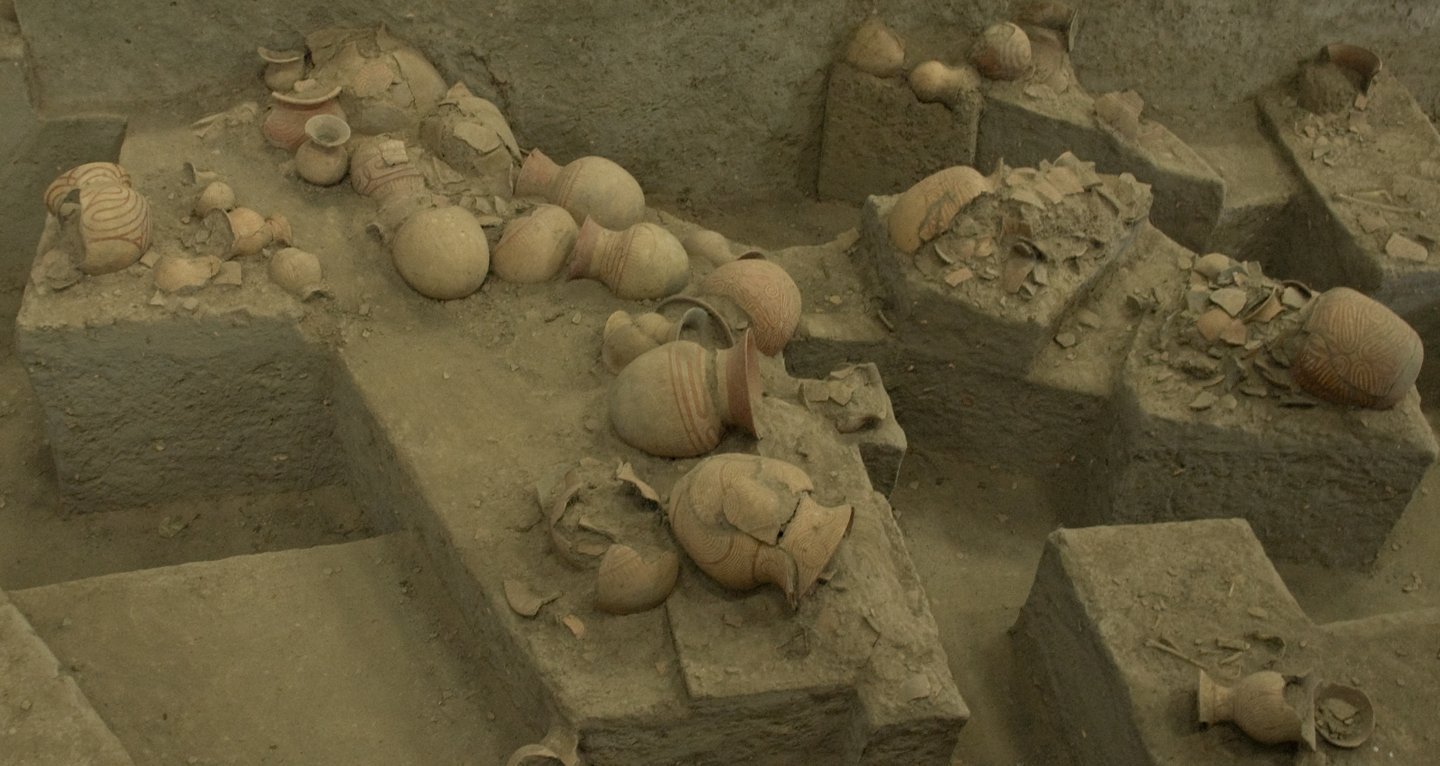

What the archaeological evidence can tell you
UNESCO identifies Ban Chiang as a prehistoric settlement and burial site in Nong Han District. Its significance includes settled agriculture, pottery and metalworking. The World Heritage listing dates to 1992. Those themes offer a useful way to read the galleries: compare everyday technology, the treatment of the dead and changes in material over time.
Do not build the visit around a single claim that Ban Chiang is a fixed number of thousands of years old. UNESCO explains that dating has been revised as research methods improved. Its current account discusses occupation from around 1495 BC, while the Japanese tourism-office page retains a much earlier chronology. This guide follows UNESCO for that historical caution rather than presenting the oldest date as a settled discovery.
At a burial display, look first at the position of the person and the objects recorded with them. Then return to the labels for their interpretation. That reading sequence is an editorial suggestion, not a claim that every display is arranged in a particular order. It helps separate what was found from what archaeologists infer.
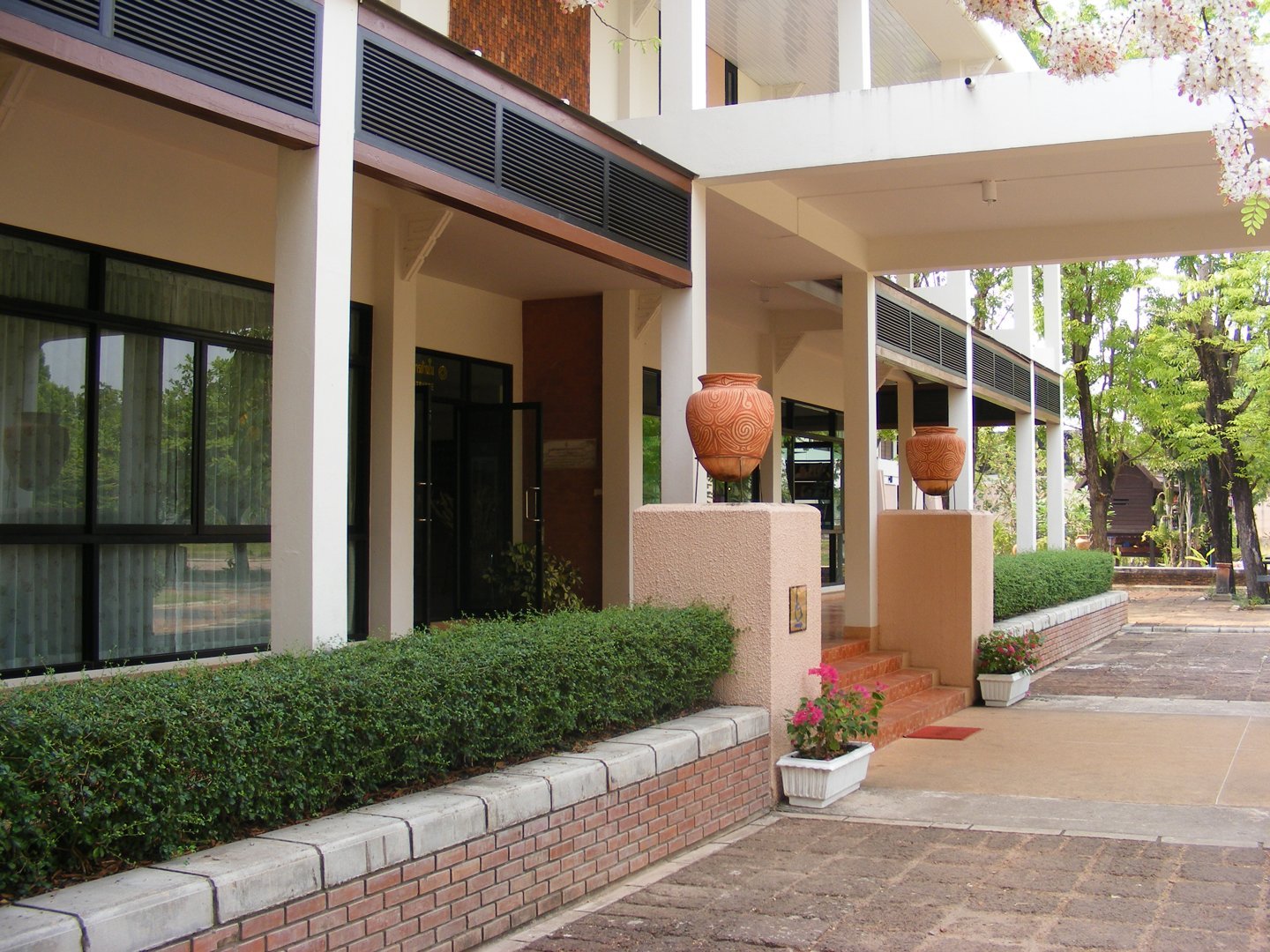

Museum days matter more than a sunrise departure
The Tourism Authority of Thailand’s Japanese office lists visiting hours of 09:00–16:00, with Monday and Tuesday closures, and a 150-baht admission reference including the national museum. Treat these as published planning figures, not a promise that every visitor category pays the same rate. Check holiday arrangements and the charge displayed at the entrance before travelling.
The opening status of every excavation display, short-term closures and ticket-category changes remain unconfirmed here. If the preserved pit is your main reason to go, ask specifically about it rather than asking only whether “Ban Chiang” is open.
A sensible outing from Udon Thani
The Japanese tourism office places Ban Chiang roughly 50 kilometres east of Udon Thani city. That is an orientation figure, not a measured route from your hotel. A prearranged return car gives the clearest plan when museum access is the priority. Agree on the museum destination, waiting arrangement and return before departure; an outbound ride alone does not solve the journey back.
An unhurried half-day outing is a planning choice worth considering if you want time to read labels, see the excavation when accessible and have a separate village stop. No fixed walking circuit or public-transport timetable is promised here. Ask about current local connections before relying on an older bus description, especially when your visit falls near closing time.
Choose the right base and the right comparison
Udon Thani city is the straightforward base to consider when Ban Chiang is one excursion within a wider stay. Staying nearer the village may suit a focused archaeology trip, but compare actual road access and meal arrangements before booking. Check the accommodation’s actual position before choosing it as a base for the museum.
Ban Chiang and Phu Phrabat share a province, not the same archaeological story. Ban Chiang is about settlement, burial and changing technology. Phu Phrabat asks you to read a rock landscape and Buddhist sacred boundaries. Plan them as separate outings unless you have checked the road transfers and available visiting time. Combining both merely to collect two UNESCO names can leave too little attention for either.
Before you leave
Confirm three things: your visiting day, whether both the galleries and preserved excavation are accessible, and how you will return. Follow the display barriers and photography directions around human remains and objects. A museum visit depends on patient observation; a missing excavation section would change its balance, but it would not make the gallery evidence interchangeable with souvenirs from the village.